
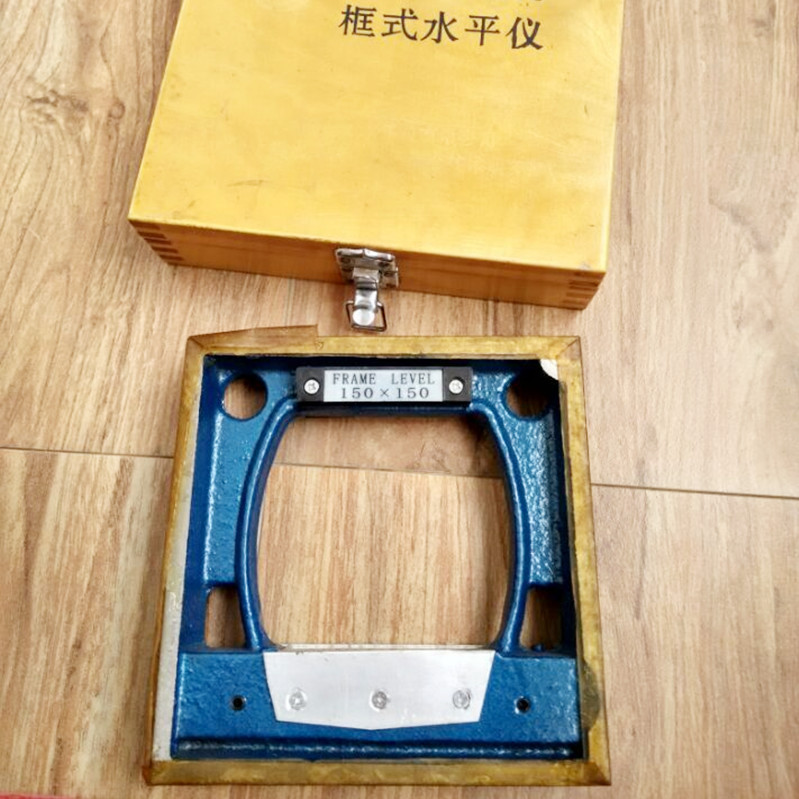
toughened glass for balcony
Measuring Tools in Metal Work Essential Instruments for Precision In the world of metalworking, precision and accuracy are paramount. Whether it's crafting intricate components for machinery or fabricating custom parts for artistic projects, the measurements taken during the production process can significantly impact the final outcome. To achieve the desired level of quality, metalworkers rely on an array of measuring tools specifically designed for the trade. Understanding these tools and their applications is crucial for anyone involved in metalwork. 1. Calipers Versatility in Measurement Calipers are one of the most versatile measuring tools used in metalworking. Available in various forms—such as vernier calipers, digital calipers, and dial calipers—they allow metalworkers to measure the internal and external dimensions of a workpiece, as well as depths. The precision of calipers can range from 0.01mm to 0.001mm, making them invaluable for tasks requiring high accuracy. Digital calipers, in particular, have gained popularity due to their ease of use and clear digital displays, eliminating the need for manual reading and minimizing errors. 2. Micrometers For Extreme Precision When it comes to achieving even greater accuracy, micrometers are the tool of choice. These instruments are designed primarily for measuring small dimensions with remarkable precision—typically up to 0.001mm. The most common types include outside micrometers, inside micrometers, and depth micrometers, each serving a specific purpose in the measurement process. Outside micrometers measure the thickness or diameter of an object, whereas inside micrometers gauge the internal dimensions. Depth micrometers, on the other hand, are ideal for measuring hole depths or recesses. Given their sensitivity and accuracy, micrometers are essential for high-precision metalworking tasks. 3. Tape Measures Quick and Efficient Measurements Tape measures are perhaps the most recognizable measuring tool and are widely used in metalwork for quick and efficient measurements over longer distances. Industrial-grade tape measures are typically made from durable materials that can withstand rough handling and environmental wear. When measuring larger workpieces, a good-quality tape measure becomes indispensable, allowing metalworkers to quickly assess lengths, widths, and other dimensions without fuss. measuring tools in metal work 4. Squares Ensuring Right Angles Achieving precise angles is critical in metal fabrication, and layout squares (or framing squares) play an important role in ensuring components are cut at the correct angles. These tools come in various sizes, and many are made of heavy steel for stability. Metalworkers use squares not only for checking right angles but also for laying out lines on metal surfaces, making them essential for creating straight cuts and accurate assemblies. 5. Levels Maintaining Alignment In addition to measuring lengths and angles, maintaining alignment is crucial in metalwork. Levels, including spirit levels and laser levels, help workers ensure their setups are perfectly aligned. Whether during the assembly of structures or the calibration of machines, levels provide a necessary check, allowing metalworkers to align components correctly before securing them. 6. Protractors Measuring Angles Accurately For projects that require the measurement of angles, protractors are indispensable. These tools allow metalworkers to precisely measure and layout angles on materials. Modern protractors may also include digital displays for easy reading, which can dramatically reduce the chances of error during the measurement process. Conclusion In conclusion, the importance of precise measurements in metalworking cannot be overstated. The right measuring tools not only enhance the quality of the final product but also improve efficiency and reduce material waste. By incorporating a range of measuring instruments—calipers, micrometers, tape measures, squares, levels, and protractors—metalworkers can achieve the high standards required in today’s demanding manufacturing environments. Embracing these tools will undoubtedly elevate one's proficiency in metalworking, leading to more successful and satisfying results.
about
toughened glass for balcony
Thiết Kế Đồ Thị Spline Gauge Đồ thị Spline Gauge là một phần quan trọng trong ngành sản xuất và chế tạo, đặc biệt trong lĩnh vực gia công cơ khí và thiết kế sản phẩm. Nó chủ yếu được sử dụng để đo lường, định hình và kiểm soát chất lượng các bề mặt cong và phức tạp. Việc thiết kế đồ thị Spline Gauge cần phải tuân thủ nhiều nguyên tắc nhất định để đảm bảo độ chính xác và hiệu quả trong quá trình sản xuất. Khái Niệm Về Spline Gauge Spline Gauge, hay còn gọi là thước đo spline, là công cụ đo lường chuyên dụng được sử dụng để kiểm tra các bề mặt cong, bề mặt không phẳng hoặc những hình dạng phức tạp mà các thước đo thông thường không thể thực hiện được. Thiết kế của Spline Gauge thường bao gồm một loạt các spline (các đoạn cong hoặc đường cong) có hình dạng khác nhau, cho phép người sử dụng áp dụng vào nhiều loại hình dạng khác nhau của sản phẩm. Nguyên Tắc Thiết Kế Thiết kế Spline Gauge phải đảm bảo một số nguyên tắc cơ bản như 1. Độ Chính Xác Cao Spline Gauge cần có độ chính xác cao trong việc đo lường. Điều này yêu cầu các spline phải được gia công một cách tỉ mỉ với các vật liệu chịu mài mòn và có độ bền cao. spline gauge design 2. Dễ Sử Dụng Thiết kế cần phải thân thiện với người sử dụng, cho phép người sử dụng dễ dàng thao tác và kiểm tra các sản phẩm mà không gặp khó khăn. 3. Độ Bền và Tính Kháng Hóa Chất Công cụ phải được thiết kế để có thể hoạt động tốt trong nhiều điều kiện khác nhau, bao gồm cả môi trường có hóa chất mạnh. Điều này đảm bảo rằng Spline Gauge có thể được sử dụng trong các ngành công nghiệp khác nhau mà không bị hỏng hóc. 4. Khả Năng Tùy Biến Một Spline Gauge tốt cần có khả năng tùy biến theo yêu cầu đo lường cụ thể của từng sản phẩm. Điều này có nghĩa là nó nên có thể được điều chỉnh để phù hợp với các hình dạng và kích thước khác nhau. Ứng Dụng Trong Thực Tế Trong ngành công nghiệp ô tô, Spline Gauge thường được sử dụng để kiểm tra các linh kiện như bánh răng, trục và các bộ phận chuyển động khác. Trong ngành hàng không, nó có vai trò quan trọng trong việc đảm bảo các bộ phận phải đạt tiêu chuẩn an toàn và hiệu suất cao. Thậm chí, trong ngành chế tạo máy móc, Spline Gauge được sử dụng để đo các chi tiết có độ chính xác cao nhằm đảm bảo mọi kích thước và hình dạng đều đạt tiêu chuẩn. Kết Luận Thiết kế Spline Gauge không chỉ là một yếu tố quan trọng trong quy trình sản xuất mà còn là chìa khóa để nâng cao chất lượng sản phẩm. Bằng cách áp dụng các nguyên tắc thiết kế hợp lý, chúng ta có thể tạo ra những công cụ đo lường chính xác, góp phần vào sự phát triển bền vững của ngành công nghiệp sản xuất và chế tạo. Trong bối cảnh toàn cầu hóa và sự cạnh tranh ngày càng khốc liệt, việc đầu tư vào công nghệ và thiết kế Spline Gauge sẽ giúp doanh nghiệp nổi bật hơn trong ngành.
-

High quality industrial productsagement

High quality industrial products
View Details -

Meet the diverse needs of customers

Meet the diverse needs of customers
View Details -

Strict quality control

Strict quality control
View Details -

Top raw materials

Top raw materials
View Details -

Trusted supplier

Trusted supplier
View Details
Our application


news and information

Vnitřní měřidlo průměru pro přesné měření trubkových a válcových otvorů
Interní měřidlo průměru Klíčový nástroj pro precizní měření Interní měřidlo průměru, známé také jako
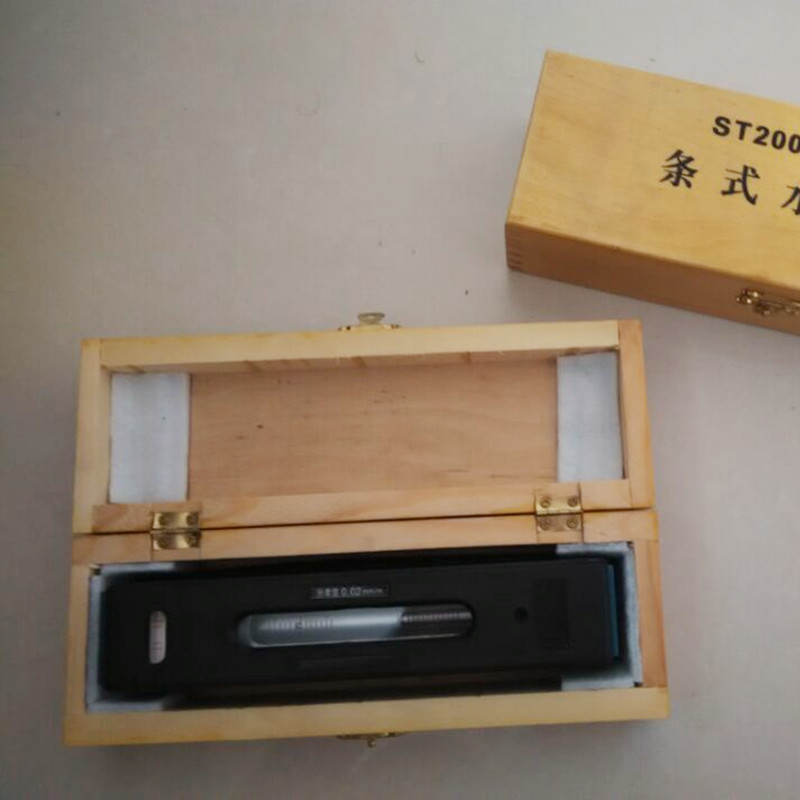
Using a Level to Align a Marking Ruler for Precision Measurements
marking ruler with spirit level .

Vente de clapets anti - retour
Vente de vannes anti-retour Un choix judicieux pour votre système hydraulique Les vannes anti-retou
 English